Precision Matters: Our Approach to Tight Tolerances in Custom Fabrication
In fabrication, even the smallest deviation can lead to major problems. A misaligned component in an aerospace system can compromise safety. A component that is slightly out of spec in a medical device can affect performance. In energy applications, inaccuracies can lead to costly downtime or failure. Precision is needed to ensure parts perform exactly as intended. When tolerances are tight, the margin for error disappears and the responsibility to get it right becomes even greater.
What “tight tolerances” actually mean in fabrication
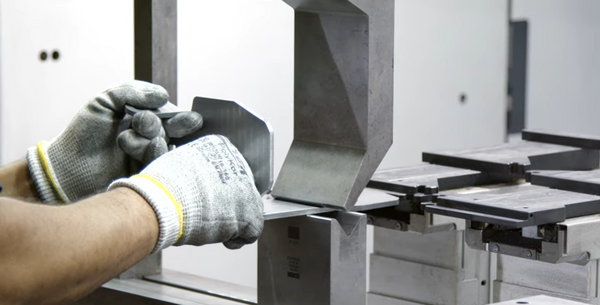
Tolerances define how much a part’s dimensions can vary while still functioning properly. Standard tolerances allow for minor deviations that do not impact performance. Tight tolerances significantly reduce that margin, requiring parts to be manufactured with a much higher level of accuracy and control.
As tolerances tighten, complexity increases. Small changes in temperature, material behavior or machine performance can affect the final result. Without the right approach, the risk of defects, rework or part failure increases. That is why tight tolerance work demands a stricter approach from start to finish.
Where precision can break down
Even well-designed parts can run into issues during fabrication if key variables are not managed. Material inconsistencies, such as warping or heat distortion, can alter dimensions during fabrication. Equipment that is not properly maintained or outdated machinery may struggle to maintain accuracy.
Breakdowns also occur when there is a disconnect between design and production. If manufacturability is not considered early, parts may be difficult to produce within the required tolerances. Additionally, a lack of process control or insufficient inspection steps can allow small issues to go unnoticed until it is too late.
These challenges are common across the industry, which is why a proactive approach is important.
Our approach starts before the first cut
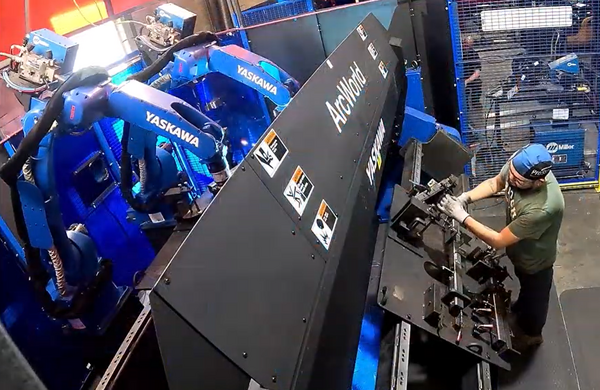
Precision begins long before fabrication starts through planning. Before any material is cut, an engineering review ensures that every detail is understood upfront. Following structured frameworks, such as Advanced Product Quality Planning, allows teams to identify risks early and align expectations from design through production.
Collaboration with the customer is a key part of this process. Design-for-manufacturability conversations help clarify specifications and uncover potential challenges. By identifying problem areas early, it becomes possible to select the right materials and processes before production begins. This upfront investment reduces variability and sets the foundation for consistent results.
Equipment and technology that support precision
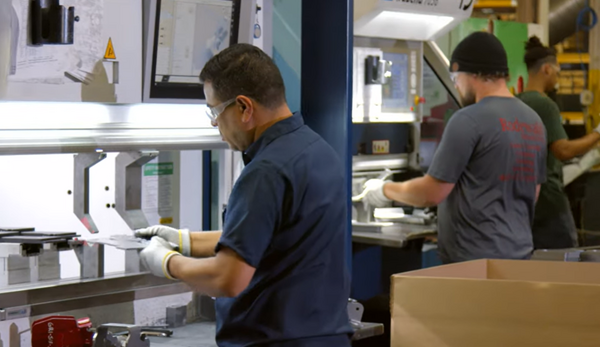
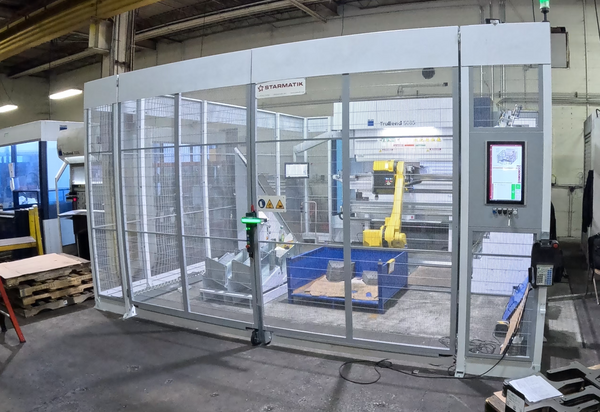
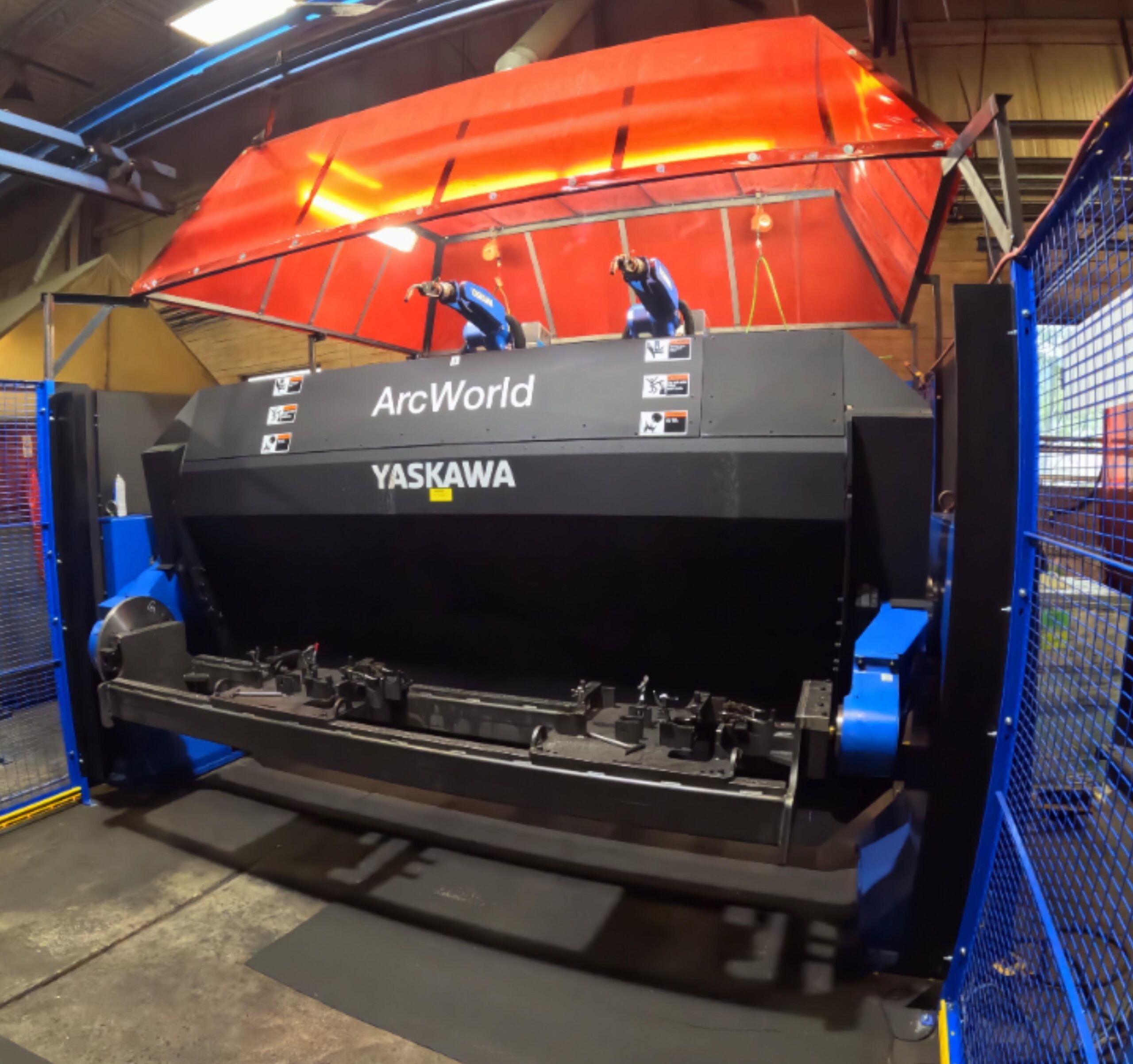
Modern fabrication relies on the right equipment to achieve tight tolerances. CNC machining, laser cutting and advanced welding systems all contribute to higher accuracy. The use of automation and robotics further enhances repeatability, reduces human variability and maintains consistency across production runs.
However, technology only performs as well as it is maintained. Regular calibration and preventative maintenance are important for machines to operate within tight tolerances. When equipment is properly managed, variability is reduced and quality becomes more predictable, enabling it to meet the required specifications.
Skilled fabricators make the difference
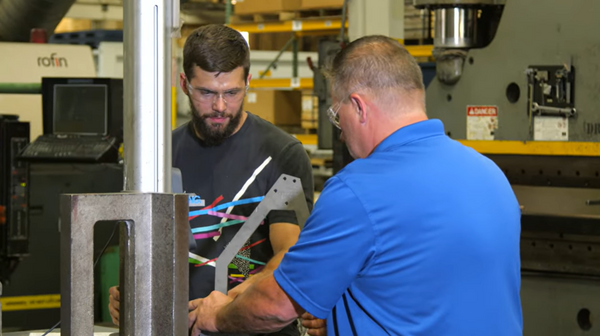
Technology alone cannot guarantee precision. Experienced fabricators bring the attention to detail that is needed to work within tight tolerances. From setup to finishing, small decisions can impact the final result.
There are also situations where real-world judgment is required. Machines follow programmed instructions, but experienced operators can recognize subtle issues and make adjustments that prevent defects. This combination of technical skills and practical knowledge is what ensures consistent quality.
Process control
Consistency in fabrication comes from controlled, repeatable processes. Standardized workflows ensure each step is performed the same way every time. In-process checks provide opportunities to catch deviations early, rather than waiting until final inspection.
Managing factors such as heat input, sequencing and distortion is especially important when working with tight tolerances. By controlling these variables through fabrication, it becomes easier to maintain accuracy from start to finish.
Inspection and quality assurance
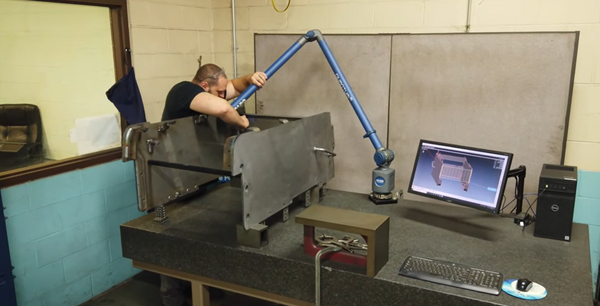
Verification is a critical part of achieving tight tolerances. A combination of measuring tools, including coordinate measuring machines, precision gauges and visual inspections, helps confirm that parts meet specifications.
Inspection should happen at multiple stages, not solely the final product. Catching issues early reduces rework and helps keep production on track. Documentation and traceability also support quality, specifically in industries with strict requirements.
Tight tolerances in custom projects
No two custom projects are the same; each custom project presents its own unique challenges. Differences in material, geometry and end use all require tailored approaches rather than one-size-fits-all solutions.
Balancing precision with manufacturability and cost must be accomplished as the goal is not just to meet tight tolerances but to do so in a way that is efficient and reliable over time.
Conclusion
Tight tolerances require more than advanced equipment or detailed drawings. It demands careful planning, consistent process control and skilled people who understand how to manage complexity at every stage.
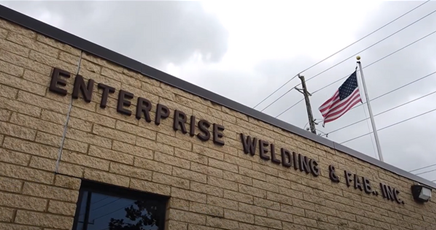
At Enterprise Welding & Fabricating, precision is built into the process from the very beginning. With a full range of in-house capabilities and a focus on doing the job right the first time, the team delivers consistent, reliable results on every project. For customers operating in high-stakes industries, having a partner who understands the importance of precision makes all the difference in long-term performance and reliability.